
Why Friendships Change Over Time
Explore why friendships shift with moves, careers and changing values; practical ways to cope, use tech, and focus on meaningful connections.
Mental Health
Dec 18, 2025
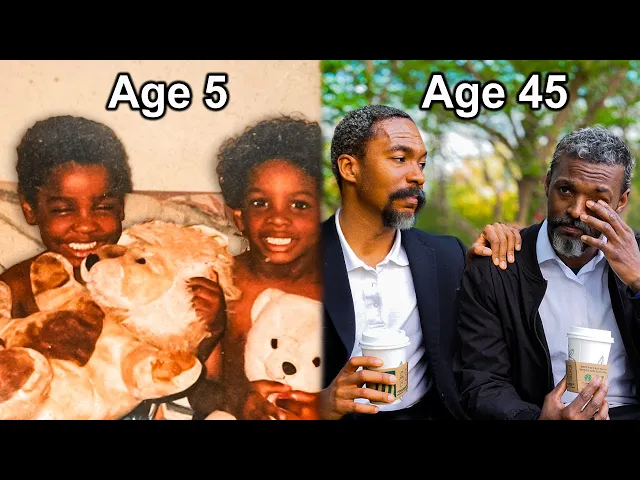
Friendships evolve as life changes. While this can feel painful, it’s completely normal. Studies show people lose about half their friends every seven years. Why? Life transitions like moving, new jobs, or starting families shift priorities and reduce shared experiences. Interests and values may also diverge over time, making it harder to maintain old bonds.
Key takeaways:
Life Transitions: Moving cities, career changes, or parenthood often reduce time for friendships.
Shifting Interests: Different hobbies or values can create emotional distance.
Technology’s Role: Digital tools like video calls and apps help maintain connections but lack the depth of in-person interactions.
Change isn’t failure - it’s growth. Focus on meaningful relationships that align with your current phase of life.

How Friendships Change Over Time: Key Statistics and Insights
How Friendships Change As We Age
How Life Changes Affect Friendships
Life never stands still, and neither do our friendships. As we grow and our priorities shift, our social circles often evolve in unexpected ways. Moving to a new city, starting a job, or taking on new responsibilities can significantly alter the dynamics of our relationships. Research highlights that friendship networks tend to shrink rapidly after the age of 25, as people focus more on romantic relationships, family, and adapting to new environments.
Moving to Different Cities
Relocating is one of the most common reasons friendships change. Whether it's for education, work, or personal reasons, distance makes spontaneous interactions much harder. In today's world, where people frequently move for opportunities, this trend has been linked to increased feelings of loneliness and isolation. The ease of dropping by a friend's house or running into them at a familiar hangout spot disappears. What used to be effortless now demands careful planning, from scheduling video calls to organising visits.
These physical separations often coincide with other life changes, further redefining how we stay connected.
New Life Stages and Responsibilities
Milestones like starting college, beginning a career, getting married, or becoming a parent can reshape your daily life - and your friendships. During these transitions, friendships sometimes take a backseat. For instance, studies reveal that modern parents spend significantly more time with their children compared to earlier generations, leaving less room for maintaining other relationships. When one friend is navigating parenthood while another is climbing the career ladder, the lack of shared experiences can create emotional distance.
Meeting New People
As old friendships evolve, new environments naturally bring fresh connections into your life. Whether it's a new job, university, or neighbourhood, these spaces introduce you to people who may share your current interests and circumstances. In fact, 54% of people report meeting a close friend at their or their spouse's workplace. Building bonds with colleagues or classmates often feels natural because they understand your current stage of life. This doesn't mean you're replacing old friends - it’s about growing and connecting with those who align with where you are now.
When Values and Interests Diverge
As life moves forward, both circumstances and personal priorities evolve, reshaping even the closest friendships. What you found entertaining or fulfilling at 22 might not resonate the same way at 32. Shared hobbies, career goals, or even life philosophies can shift over time, sometimes creating gaps between people who once felt inseparable. These changes are a natural part of growth, but they can redefine how you connect with others.
Growing Apart from Old Interests
When friends develop new interests or take different life paths, maintaining the same connection becomes more challenging. Maybe one of you has embraced a passion for fitness while the other spends hours immersed in gaming. Or perhaps you've adopted a more spiritual outlook, while your friend leans towards a pragmatic approach to life. These differences don’t mean the friendship was less meaningful; they simply reflect how people grow in unique ways.
Conversations that once felt effortless might now require more effort, as you search for common ground. What you value in your free time, your career direction, and even your views on relationships or success may no longer align. These shifts can make it harder to relate, and when combined with the practicalities of adult life, such as busy schedules, maintaining the same bond can feel increasingly difficult.
Different Priorities and Limited Time
Life stages also play a big role in how friendships evolve. You might be focused on advancing your career, while your friend is dedicating their energy to raising a family. These differing priorities naturally influence how much time and energy you can invest in maintaining friendships. Often, relationships tend to realign based on who fits into your current phase of life.
Instead of resisting these changes, recognising and accepting them can lead to healthier, more meaningful connections. Focusing on quality over quantity allows you to nurture relationships that continue to feel genuine, even as life pulls you in different directions.
The Emotional Side of Changing Friendships
When friendships shift, the emotional toll can be overwhelming. Feelings of loss, confusion, and frustration often accompany these transitions, creating a sense of grief for the connection that once was. The process can be deeply painful and unsettling.
Coping with Friendship Loss
Losing a close friend can feel as heartbreaking as the end of a romantic relationship. In fact, nearly 47% of Americans reported losing connections over the past year. Young women between 18 and 29 seem to feel this the most - 59% admitted to losing touch with friends, while 16% said they were no longer in regular contact with most of their social circle.
Grief is a natural part of this experience. You might also find yourself dealing with anger, regret, or even shock as you come to terms with how a friendship has changed. For those who are highly sensitive, these emotions can feel even more intense, requiring additional time to process. Instead of suppressing these feelings, facing them head-on can be a healthier way forward. Activities like journaling, practising mindfulness, or seeking support from loved ones can help. At the same time, taking care of your physical health by exercising, eating well, and getting enough sleep can strengthen your emotional resilience during these tough times.
Acknowledging this emotional pain is often the first step towards personal growth.
Personal Growth from Friendship Changes
Though painful, changes in friendships can lead to moments of self-discovery and growth. Reflecting on these shifts helps you better understand your evolving values, interests, and what you now seek in relationships. This process of reassessment allows you to reconnect with parts of yourself that may have been overlooked, helping you gain clarity about who you are and what truly matters to you.
During these transitions, digital tools like Vibe - offered in Hinglish, Hindi, and English - can provide much-needed support. When conversations and connections feel strained, Vibe offers a safe space to process your thoughts and emotions. By remembering what you’ve shared, it helps you navigate the complexities of changing friendships and make sense of your feelings, offering guidance as you move forward.
Using Technology to Stay Connected
As friendships evolve, emotional gaps can sometimes widen. This is where technology steps in, acting as a bridge to keep connections alive. With most teens and young adults carrying smartphones and nearly half being online almost constantly, the digital world offers tools to maintain bonds that might otherwise fade over time.
Staying in Touch Digitally
Instant messaging, video calls, and social media make it possible to stay connected no matter how far apart you are. Sharing photos, exchanging voice notes, or hopping on a video chat can create moments of real-time engagement, helping to sustain closeness even when physical distance separates you.
But here’s the catch: it’s not just about how often you connect - it’s about how meaningful those interactions are. Instead of simply liking a post or sending a quick “Hey,” try diving into deeper conversations. Share your experiences, ask thoughtful questions, and listen attentively when your friends open up. Aminatou Sow, co-author of Big Friendship: How We Keep Each Other Close, highlights the importance of small but intentional gestures:
"A ritual can be as simple as regularly sending memes or scheduling a monthly phone catchup."
Of course, digital communication isn’t perfect. Clinical psychologist Dr. Eileen Kennedy-Moore points out some of its limitations:
"The tricky thing about online communication is, it is attenuated communication. We have words, and we might have images, but we don't have facial expressions, tone of voice, bodily posture - the 'in the moment' responsiveness that we need during in-person reactions to figure out what the heck is going on. Misunderstandings are rife."
When text messages or online chats lead to confusion, switching to a phone call or video chat can make a world of difference. Hearing someone’s tone or seeing their expressions often clears up misunderstandings far better than words on a screen ever could.
Still, even with all these digital tools, there are times when they might not feel like enough.
Finding Support with Vibe

What happens when you need someone to talk to and your usual friends aren’t available? That’s where Vibe can help. It’s a platform designed to provide emotional support during those moments when navigating changing friendships feels tough. Whether you’re reflecting on a friendship that’s drifted apart or just need someone to chat with during odd hours, Vibe offers a comforting presence.
Vibe also remembers your shared thoughts and responds in Hinglish, Hindi, or English, creating a judgement-free space for you to express yourself when digital connections alone don’t quite cut it.
Conclusion
Friendship is a dynamic journey, constantly shaped by how our lives evolve and the time we have to nurture these bonds. This isn’t about losing connections - it’s about understanding that change is a natural part of life and relationships.
Research involving 3,23,000 people across 99 countries highlights the profound impact of quality relationships. Strong connections can enhance health, happiness, and even longevity, often outweighing lifestyle factors like diet and exercise. This makes it clear: investing in meaningful friendships isn’t just emotionally rewarding - it’s vital for your well-being.
As we age, we naturally become more selective, choosing to focus on relationships that truly enrich our lives. And when life’s transitions make traditional bonds harder to maintain, digital tools can step in to fill the gaps. Platforms like Vibe offer a lifeline, providing support when regular social networks feel out of reach. Whether you’re navigating the pain of a drifting friendship or just need someone to talk to during odd hours, these tools can help ease the process.
The rewards of meaningful friendships are immeasurable. As Alexander Nehamas beautifully puts it:
"Friendship provides companionship and a safety net when we are in various kinds of trouble; it offers sympathy for our misfortunes, discretion for our secrets, encouragement for our efforts."
Cherish change, treasure authentic connections, and see evolving friendships as a reflection of your personal growth.
FAQs
How can I keep my friendships strong as life changes?
Life events like starting a new job, getting married, relocating to a different city, or managing family responsibilities can make it challenging to stay in touch with friends. Studies indicate that adults lose nearly half their friendships every seven years, even though these connections play a key role in our happiness, sense of belonging, and even physical health.
To keep friendships thriving, treat them as a priority. Simple, consistent gestures go a long way - send a quick WhatsApp message, make a 10-minute call, or plan a coffee meet-up. Even a short "How are you?" text can show you care and keep the bond alive. Apps like Vibe can make this easier by reminding you of important dates, like a friend’s birthday (e.g., 15/08/2025), suggesting thoughtful messages, or helping you express yourself naturally in Hindi, English, or Hinglish.
In India, everyday traditions can help deepen friendships. Invite a friend over for chai, celebrate festivals like Diwali or Holi together, or join a local hobby group to share experiences. By combining small, thoughtful efforts with meaningful activities, you can nurture friendships that adapt and grow, no matter where life takes you.
How does technology help maintain friendships over time?
Technology has become a lifeline for maintaining friendships, especially when life gets hectic or distances come into play. With tools like instant messaging, video calls, and social media, friends can share updates, photos, and moments in real-time. These platforms make it much easier to stay connected, even when schedules are packed or someone moves away. Research even suggests that such digital tools help preserve close friendships, with only a small number of core connections shifting each year.
But it’s not just about keeping in touch - technology also introduces fresh ways to build and deepen friendships. Online communities, apps centred around shared interests, and virtual meet-ups bring people together over common passions, fostering genuine connections. On top of that, AI-powered platforms like Vibe offer a helping hand for those moments when reaching out to others feels tough, creating a unique way to stay emotionally engaged.
In a world that never seems to slow down, technology doesn’t just close the gap between friends - it redefines how we connect and support each other.
How can I deal with the emotional pain of losing a friend?
Losing a friend is a deeply personal and emotional experience. It’s natural to feel a mix of sadness, nostalgia, or even frustration. Friendships often evolve or drift apart as we go through life’s various stages - whether it’s due to marriage, career changes, or unforeseen events like a pandemic. Recognising these emotions is a crucial step because it reflects how much the bond meant to you and aids in processing the loss.
To navigate this, give yourself the space to grieve. Reflect on your memories, write them down, or share your feelings with someone you trust. Journaling can also be a powerful outlet. Staying close to other friends or family members can provide much-needed support and a fresh perspective. Activities like yoga, a walk in the park, or indulging in a beloved hobby can lift your spirits and help you find balance. If the sadness feels too heavy to manage alone, seeking the guidance of a therapist might be a good step.
For moments when expressing yourself feels challenging, a digital companion like Vibe can offer a comforting ear. Vibe listens without judgement and supports you in Hindi, English, or Hinglish, making it easier to share your thoughts. Over time, the pain of losing a friend often softens, and the empty space they leave behind can make way for new, fulfilling connections.